
Recognizing the possible signs of dementia during the holidays
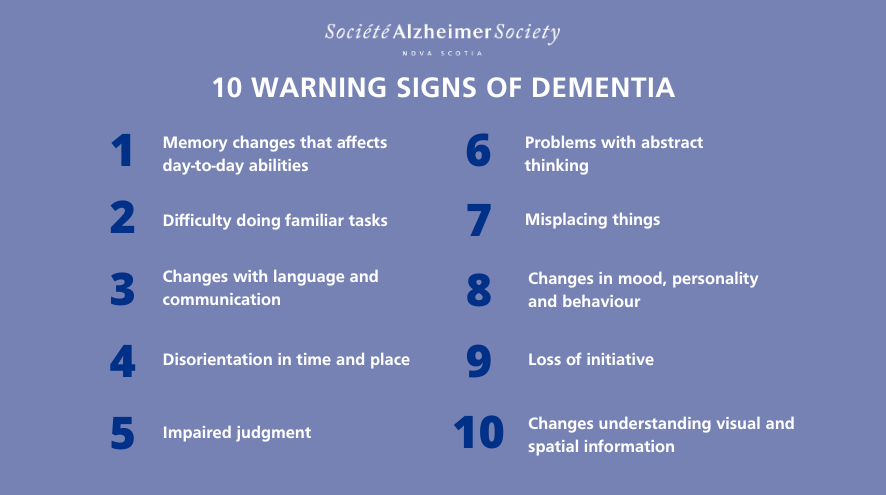
The holiday season often brings us together with family and friends that we haven’t seen in a while. These reunions can be comforting and joyful, but they can also highlight changes in a loved one’s memory, behaviour, or abilities that weren’t noticeable during phone calls or brief visits.
While everyone forgets things from time to time, certain shifts in behaviour may indicate something more serious, like dementia. Being aware of what signs to look for can help you support your family with compassion and confidence this holiday season.
One of the most common early signs of dementia is memory loss that begins to affect everyday life. A loved one may start to forget recent conversations, ask the same questions repeatedly, or struggle to retain new information. While it’s normal to mix up a date or momentarily forget a name, dementia-related memory changes can interfere with normal routines.
You might notice them having difficulty completing familiar tasks, especially when seasonal traditions are involved. Perhaps someone who used to prepare a special holiday recipe suddenly cannot remember the steps, or a relative who always organized the gift exchange seems confused about how to get started. Occasional slip-ups happen to everyone, but experiencing difficulties with tasks that were once second nature could be a sign of dementia.
Changes in communication are another common early indicator. Searching for simple words, speaking in sentences that don’t quite make sense, or losing track of their thoughts mid-conversation are all potential indicators of dementia. These moments can be subtle but noticeable, especially when you’re catching up after a long time apart.
Mood or personality changes can become more apparent during family gatherings. A person who was once outgoing and engaged may now appear withdrawn, anxious, or unusually quiet. These changes can be especially noticeable during the holidays when routines are disrupted and social interactions increase.
If you notice that a family member is no longer showing interest in activities they once enjoyed, this may also indicate cognitive changes. They might need extra encouragement or more prompting to participate in simple tasks or seem content to sit quietly rather than join in.
Although these changes can be unsettling, recognizing them is an important step toward receiving support. If you notice any of these changes in someone close to you this holiday season, consider reaching out to your doctor or contacting our Dementia Helpline at 1-800-611-6345. We’re here to help guide you and answer any questions you have.