
Finding connection after a dementia diagnosis
In Cape Breton, programs like our Dementia-Friendly Connections Cafes, Caregiver Education Series, and Caregiver Support Groups, bring people together and help build community connections.
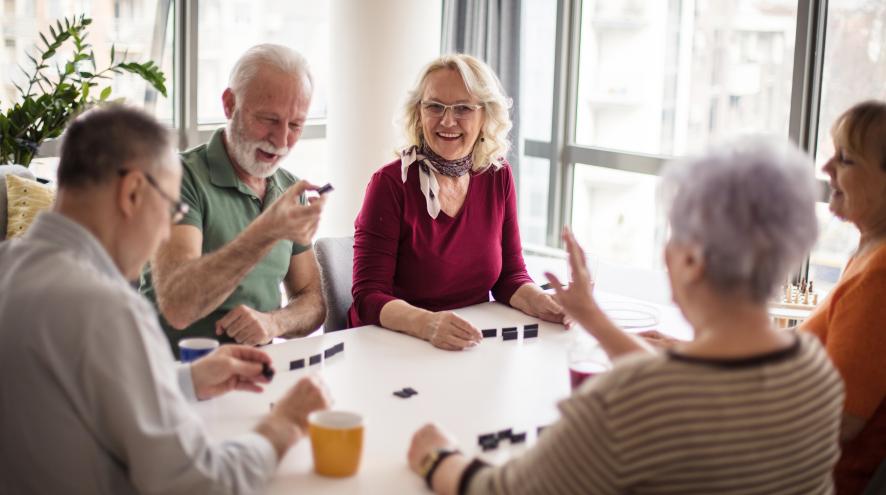
Community plays an important role in helping people adjust to life after a dementia diagnosis. Being able to talk with others who understand the experience can bring comfort, reassurance, and hope.
For many people, simply knowing they’re not alone can make a huge difference.
For those living with young-onset dementia, which develops before the age of 65, and for their care partners, finding that sense of community can be especially challenging. Many tell us they feel isolated because their situation does not match what others expect dementia to look like. They may still be working, raising children, supporting aging parents, or trying to maintain active social lives.
One memorable quote from a client recently was: “We need each other and can’t find each other.”
When people do find those connections, the impact can be immediate. Some of our clients have expressed that they didn’t realize how much they needed support until they attended a program or group.
After joining, some say it was “exactly what they needed.” These experiences remind us how important it is to create spaces where people feel welcomed, understood, and safe to share their experiences.
Community support can take many forms.
In Cape Breton, programs like our Dementia-Friendly Connections Cafes, Caregiver Education Series, and Caregiver Support Groups, bring people together and help build community connections. We also offer virtual programs that allow people to access support from the comfort of their own homes.
Support can also occur through informal connections, such as meeting another couple for coffee or staying in touch with someone you met through a program. Sometimes, support comes simply from having someone who understands what daily life looks like with dementia and can offer a listening ear without needing any explanation.
“Across our lives, our ability to feel like a valued part of our community is deeply important to our sense of self-worth and wellbeing,” shares Samantha Morrison, our Dementia Friendly Communities Lead. “This remains true for people living with dementia and their care partners as they navigate life after a diagnosis.”
For people living with dementia, having strong community connections can help maintain a sense of identity and purpose. For care partners, connecting with others who understand the realities of caregiving can ease feelings of stress and isolation, while providing practical support and encouragement.
“When people living with dementia are able to continue being active in community life, we tend to see a higher overall quality of life, a slower progression of symptoms, and a greater sense of wellbeing and contentment,” says Samantha. “For care partners, we see these benefits, along with a decrease in burnout and isolation.”
Community does not take away the challenges of dementia, but it can make the path forward feel less lonely. Together, we can create spaces where people living with dementia and their care partners feel supported, understood, and connected.