
Connecting dementia caregivers to information, education and support
Learn how support and connection can make a difference for caregivers.
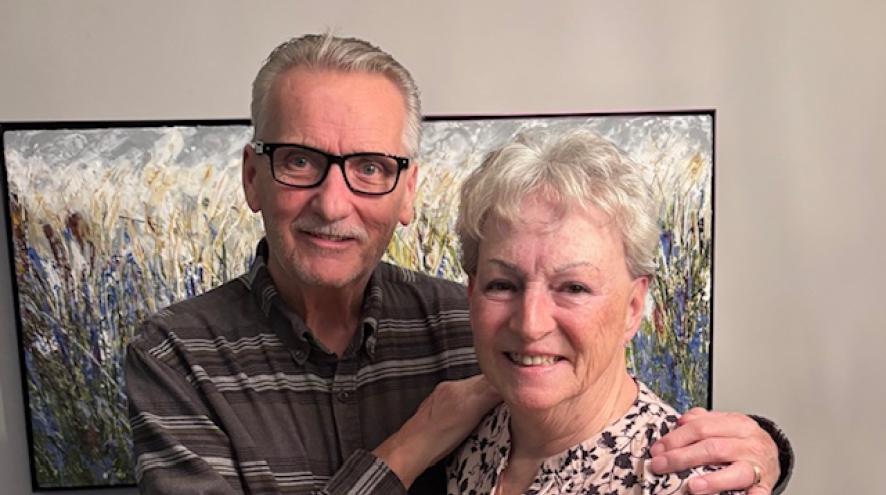
When Dennis Griffiths was diagnosed with Alzheimer’s disease in 2023, his wife Linda took on an even greater role in helping him navigate daily life.
“He doesn’t feel like he has dementia because of how I’ve adapted our lives – he doesn’t even have to notice it,” Linda says.
Days are planned carefully and she is mindful not to draw attention to moments when Dennis forgets something. Their friends, family and community help ensure he remains connected, supported and happy.
Their experience reflects that of thousands of caregivers across BC and the Yukon who provide extraordinary support to family members and friends living with dementia. One-in-five British Columbians are primary caregivers or are providing a significant amount of support to someone living with the disease. While caregiving can bring moments of joy, connection and fulfillment, it can also have a significant impact on emotional well-being, finances and daily life.
The realities of dementia caregiving
Across of BC and the Yukon, more than 50,000 caregivers provide an estimated 67.9 million hours of unpaid support. Many reduce their working hours, take leaves of absence, retire early or leave the workforce entirely to care for someone living with Alzheimer’s disease or another dementia.
Nearly half of all dementia caregivers in Canada report feeling distressed – almost twice the rate of people caring for older adults without the disease. Someone caring for a person living with the disease is also more likely to experience depression, emotional stress and financial strain.
At the same time, many people are unsure where to turn for help. A March 2026 poll conducted by Leger Canada on behalf of the Alzheimer Society of BC and Yukon found that six out of 10 people in BC would not know where to go for resources and support if they were concerned about dementia.
The poll also found that most people in BC believe the health-care system is not set up to make the dementia experience straightforward, easy or adequate when it comes to cost, support, diagnosis, treatment and long-term care. Only 19 per cent of British Columbians think that the system is set up to make the journey with dementia straightforward, easy or adequate.
Finding support
No matter how strong a relationship is, everyone needs support.
With their two adult children living in different cities, Linda and Dennis have learned to lean on friends, family and the Alzheimer Society of BC and Yukon. They access ongoing dementia education, support calls and Minds in Motion®.
“The Alzheimer Society of BC and Yukon has been my biggest resource and support,” Linda says, describing it as an entry point to meaningful connections with other caregivers who understand their situation.
For many caregivers, access to information, education and support can make an enormous difference.
“Be ready to adapt your life because that’s going to make your partner happy and we all just want to be happy,” Linda says, “and find someone to talk to.”
Through First Link®, people living with dementia and their caregivers can access information, support, education and guidance throughout the dementia journey.
If you are affected by dementia, the Alzheimer Society of BC and Yukon can help. Call the First Link® Dementia Helpline at 1-800-936-6033 to learn more about available programs and services.