
Dementia and wildfires: Planning for summer heat and climate emergencies
With Environment Canada forecasting 2026 to be one of the hottest on record, the Alzheimer Society of BC and Yukon is urging the public to learn how to support people living with dementia ahead of what is expected to be an especially active wildfire season.
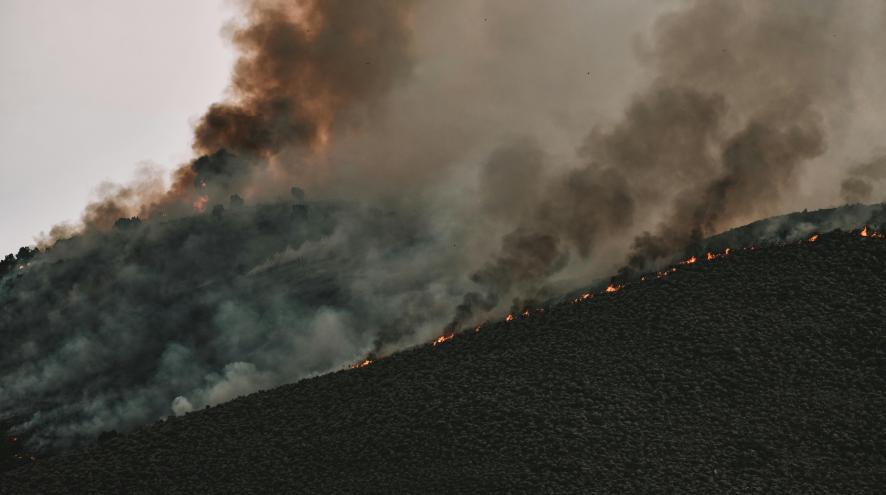
Emergencies can pose serious risks to people living with dementia. While each person’s experience with the disease is unique, many may experience increased disorientation, agitation or difficulty communicating during periods of sudden change or disruption. Caregivers are often left to navigate challenges and face emergencies alone, feeling overwhelmed as access to support can be limited. Managing increased stress, anxiety and logistical responsibilities can take an even larger toll when caring for someone living with dementia.
Top tips to prepare for summer heat and climate emergencies
- Make an evacuation plan: To reduce stress and ensure safety during an emergency, families and caregivers are encouraged to understand the potential risks in their region and create an evacuation plan to ensure they can respond quickly in the case of an emergency.
- Pack an emergency kit: Packing an emergency kit is also crucial for alleviating the stress of someone living with dementia caused by the sudden changes in locations and environment. Resources for preparing for emergencies can be found here.
- Get 1:1 support: The Alzheimer Society of BC and Yukon’s First Link® Dementia Helpline offers support through a dementia lens – helping callers understand what someone living with dementia might be experiencing and offer practical, dementia-friendly strategies for responding with compassion and care.
- Offer support to neighbours: In challenging situations, community matters. Sharing emergency updates and offering help with transportation or supplies are just a few ways to lend a helping hand. We can all play a part by being informed, prepared and compassionate.
- Access education: In this recorded webinar, Research connects I Heat domes and atmospheric rivers, building climate resilience, Dr. Jennifer Baumbusch talks about strategies that will help people living with dementia and their care partners during heat dome, atmospheric rivers and wildfires.
For dementia support and education, call the First Link® Dementia Helpline; the service is free of charge and all calls are confidential (toll-free):
- English: 1-800-936-6033 (Mon–Fri, 9 a.m. to 8 p.m.)
- Cantonese and Mandarin: 1-833-674-5007 (Mon–Fri, 9 a.m. to 4 p.m.)
- Punjabi, Hindi and Urdu: 1-833-674-5003 (Mon–Fri, 9 a.m. to 4 p.m.
The First Link® Yukon Dementia Helpline is available from Monday to Friday, from 10 a.m. to 8 p.m. at 1-888-852-2579. Service is in English only at this time.