
Moving on after caregiving
Shifting identity may be a normal part of moving forward after a caregiving experience, as these three caregivers have experienced. Rediscovering identity is key. Each of these stories is a reminder that it may take time and patience, but moving forward and re-finding your identity is possible.
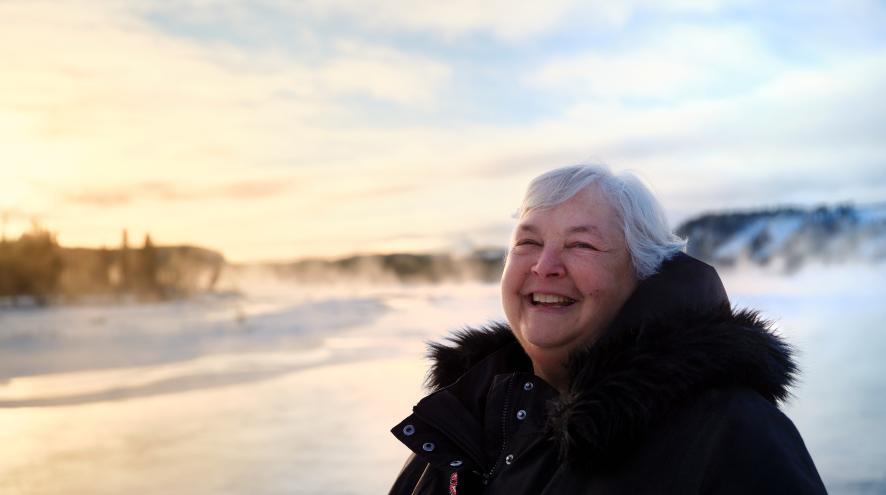
Pat’s story
In September 2025, Pat Hanrath lost the last of four family members that she and her husband had been caring for during the past decade. One was her mother, who had been living with dementia for several years. “I didn’t have time to think about what I might do next week or next summer,” says Pat. “Everything depended on how the people we were watching over were doing.”
After years of being ready to jump in whenever necessary, Pat realized that she had stopped planning for the future. “So now I stand looking forward and not really sure where I’m going,” she said, “I’m not sure I even have the energy to try and figure that out.”
When her mom passed away, Pat was surprised to be sad but not overwhelmed. She now sees she was grieving the gradual loss of her mom over many years. Photos and memories shared with friends and family are frequent reminders of the kind woman with the bright smile.
Pat had never anticipated the impact of her caregiving ending. “I’d been so busy, that now I’m not sure what I should put my energy into.”
Pat is channeling that energy into volunteering at her local food bank. An interest in traveling has also appeared. Still, Pat realized her energy was lower than before. She decided to look inward and take care of what her body and mind needed by joining a wellness group. She does gentle exercise, has spoken with a counsellor and continues to connect with others in her support group.
Marg’s story
Marg is another caregiver who has moved on after supporting a partner living with dementia who passed away a few years ago. Since then, Marg has found herself balancing her grandmother tasks with an informal role walking and talking with other caregivers, offering supportive listening.
This activity has been unintended and unplanned. Yet, the people who need and appreciate her companionship seem to find her. “I haven’t got my shingle out. I’m not searching for someone, but they have come my way.”
She describes the walking and listening as a gift she both receives and gives. “It’s a very small place to fill, but I think it’s an important place,” says Marg.
Beatrice’s story
Beatrice found support from her brother-in-law and a local support group while caring for her husband. When her husband moved into long-term care, she connected with many of the care staff, “it became like another little family.”
After his passing, she had to reconcile with not only her husband’s death but the fact that her “other family” and the community she had found in her support group were gone too. “My life was boring after he passed.”
Seeking social connection, Beatrice moved from her home in the Southern Interior to an independent living residence on the Lower Mainland to be closer to her grandchildren and access more activities. Getting used to a new lifestyle wasn’t easy, but “I came through it,” she says. “I have my faith behind me.”
Today, Beatrice has built a second chapter for herself. She stays busy with chair exercises, bus trips and weekly entertainment. She plays Scrabble with a group of new friends, goes for regular walks and has found a new church. She also cherishes helping her granddaughter prepare for upcoming Christmas craft fairs and finds comfort in being able to visit her husband’s resting place, which she made sure was close to her new residence.
Caregivers who have found a sense of community and belonging through the Alzheimer Society of BC and Yukon’s programs and services may wish to continue their connection through the Society’s Lived Experience Partner Program. By sharing your firsthand experiences, you can help us advocate for change and help others affected by dementia feel less alone.
To learn more about the program, please email [email protected] or visit here.