
Resources for traveling with ease
Vancouver International Airport has supports in place to make traveling easier for people living with hidden disabilities like dementia and cognitive impairment. Bob Saari, who is living with dementia, and wife Kerry share their travel experience after accessing our resources.
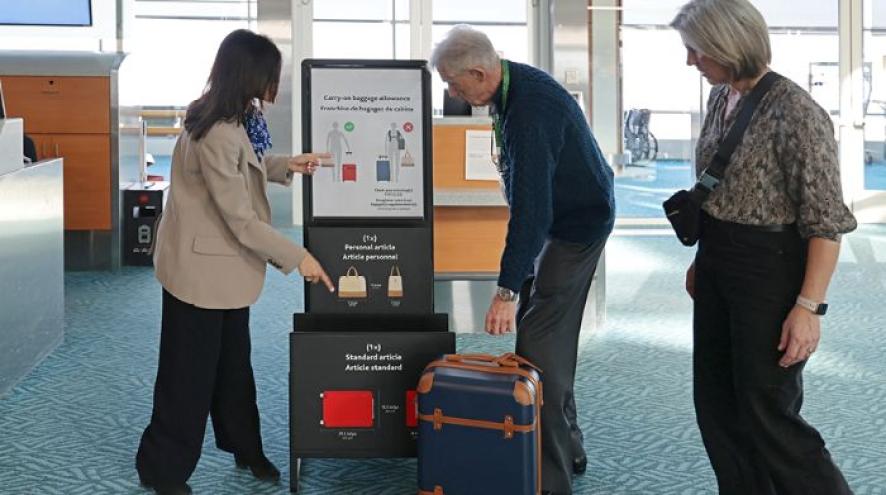
Vernon travelers Kerry and Bob Saari spent years navigating airports around the world, but Bob’s diagnosis of cognitive decline made traveling more challenging.
Situations that were once easy — like going through security, managing luggage or briefly separating to use a restroom — now created anxiety and confusion.
“We were nervous about traveling because we'd had experiences that weren't pleasant,” Kerry says.
Then couple watched our webinar, Ready for take-off: Dementia-friendly airport experiences. They felt hopeful and excited. The webinar inspired them to request lanyards from Vancouver International Airport, as a part of the airport’s services to support people with hidden disabilities.
“Knowing that there was a program out there for people with hidden disabilities, that there were staff trained” Kerry says, “that was a big thing.”
The Saaris found that even the intake questions they were asked as part of the program sparked meaningful conversations between the couple about potential challenges at the airport. This process also led to talking with their adult children and grandchildren (co-travelers on a later trip) about cognitive decline. The family learned how to handle anxious moments skillfully.
When the couple arrived at the airport for their first trip after the webinar, the support they received from staff members exceeded their expectations. The conversations were thoughtful, respectful and handled so smoothly that both felt supported without feeling singled out. For example, they were gently led to a quieter security line and told they didn’t have to take off their shoes. Small but meaningful supports like this made a big difference.
The travel experience was much more relaxed, with far less anxiety about becoming separated or being late for the flight compared to their experiences before they accessed education and extra support. Their efforts made this one trip better but also gave them confidence to keep travelling together.
How do Kerry and Bob feel about future trips?
“Excited!”