
Survey highlights need for clearer dementia guidance
According to research commissioned by the Alzheimer Society of BC and Yukon, many people feel overwhelmed and unsure where to turn when facing dementia. The findings highlight the importance of trusted guidance, early support and accessible services that help people affected by dementia feel informed, supported and included.
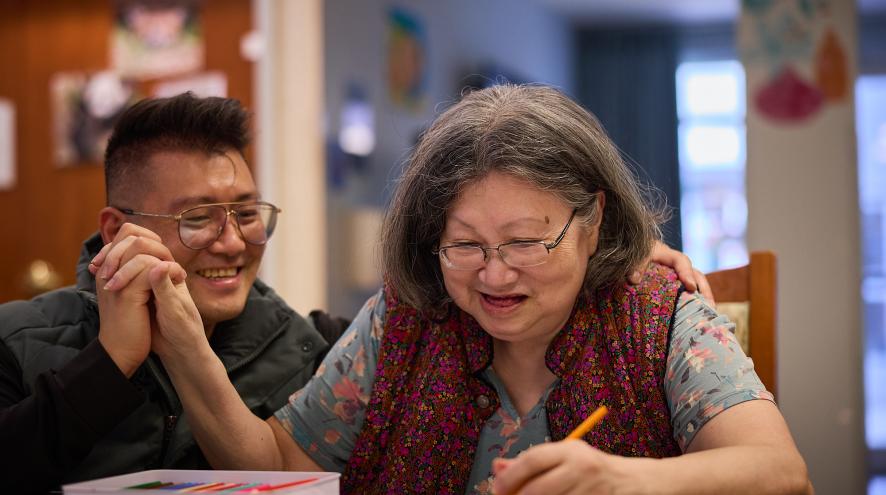
The research – conducted by Leger Canada between February and March 2026 – surveyed approximately 1,600 people across BC, including respondents from Chinese and South Asian communities. The findings reveal that while awareness of dementia is growing, many people still feel unsure where to turn for help and continue to hold misconceptions about the disease.
Only 19 per cent of people in BC believe the system is set up to make the dementia journey straightforward, easy or adequate. At the same time, one-in-four respondents said they would not want to know if they had dementia, with many expressing fears about losing independence, being treated differently or not knowing what to do next.
“I learned how to dance with dementia instead of fighting with it. I don’t think that would have been possible if I hadn’t made that first call to First Link®,” says Eric Li, who cared for his mother while she was living with dementia. “What really amazed me is that I was never sent a bill. The resources helped me become a better person and a better giver of care to my mom.”
Misunderstandings about dementia also persist. Nearly half of respondents believe a dementia diagnosis means the end of a meaningful life, while more than one in four believe dementia is a natural part of aging. Only 29 per cent correctly identified dementia as a fatal disease.
As the number of people living with dementia continues to grow, addressing misinformation, stigma and barriers to support will be increasingly important to helping people live well with the disease.
Anyone affected by dementia can contact the Alzheimer Society of BC and Yukon’s First Link® Dementia Helpline to learn about dementia, disease progression, support services and resources in their community. Support is available in English, Cantonese, Mandarin, Punjabi, Hindi and Urdu.