
Alzheimer’s Awareness Month 2026: Meet Dustie Wilson and Melody Daniels
We are recognizing Alzheimer’s Awareness Month by sharing the experiences of people like Dustie and Melody, who have found meaning, connection and joy after a dementia diagnosis, in part by connecting with the Alzheimer Society of B.C.
Melody Daniels and Dustie Wilson lost six family members in 2021. First, their father, then three of his siblings within six months. Their family was stricken with grief.
When someone from the Gitxsan Nation passes, the community gathers one year after to share food and raise a headstone in their memory. Because of the pandemic, arrangements for Melody and Dustie’s family members took longer than usual. They waited patiently for a date, but their mother Kay did not.
“She purchased the headstone and put it up herself,” Melody says. “That’s not the way of our Gitxsan people, but we know now it was because of dementia.”
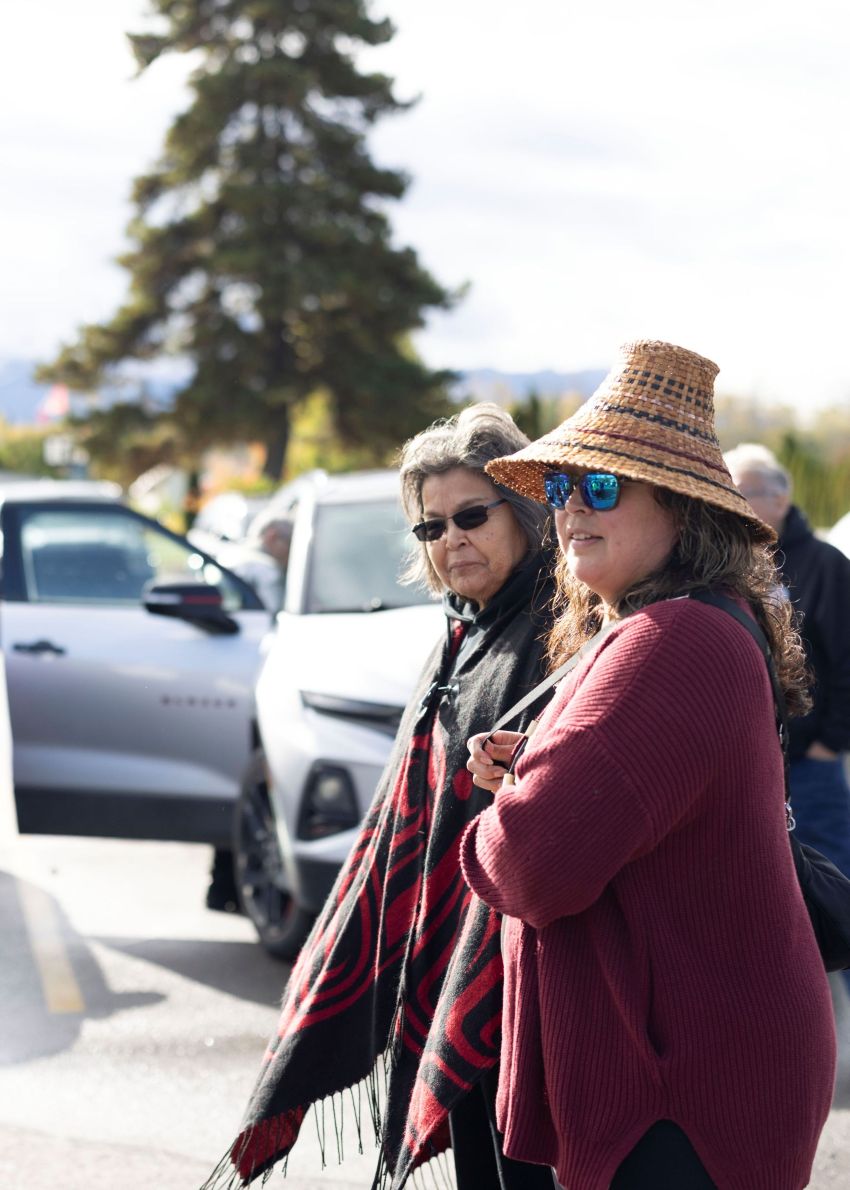
Melody and Dustie first noticed changes in their mother shortly after their dad passed away. Their grandmother had lived with dementia and the sisters noticed many similar symptoms in their mom, but they struggled to get doctors to listen to them.
“The doctors ignored us. We tried to push for information but it got us nowhere,” Dustie says. “Our mom wasn’t happy and she just kept going, going, going, until she had a stroke. It was the ER doctor that finally told us she has vascular dementia.”
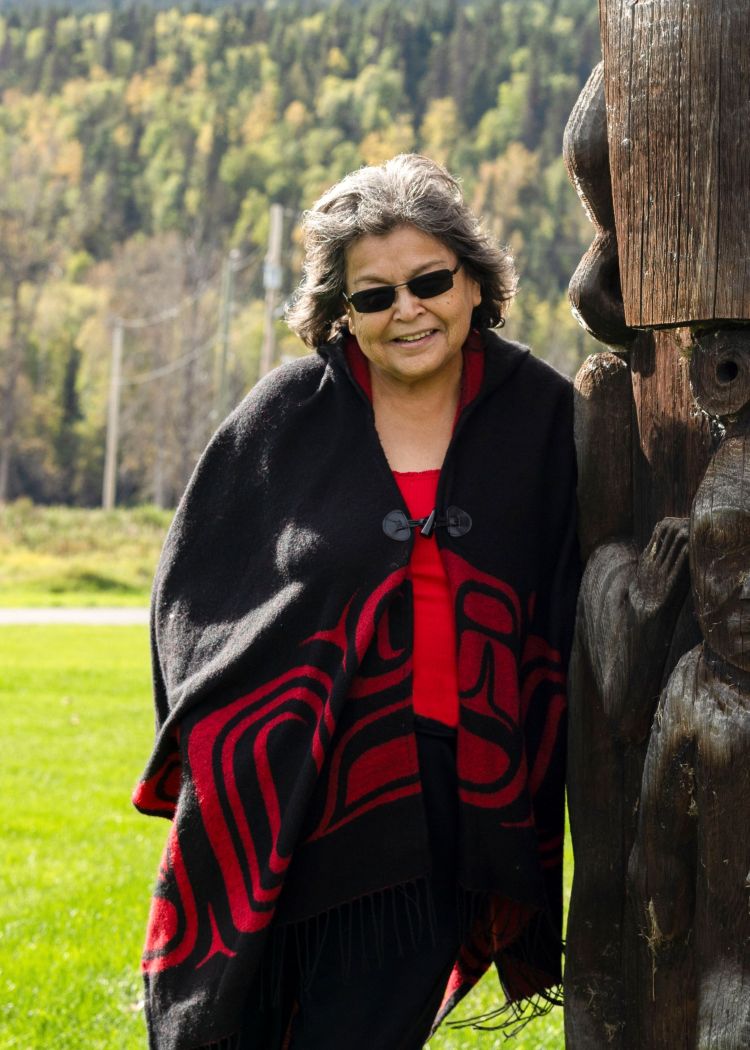
Melody and Dustie now had an explanation for their mother’s behaviour, but they wanted to know more about the disease. Watching people in their community pull away from Kay made the changes more painful to manage.
“Our mom has helped so many people in our community,” Melody says. “She’s helped fundraise for youth basketball and she was the manager of our Kispiox gas bar for years. It sometimes feels like people forget she’s sick – like she doesn’t deserve their time.”
Fortunately, Melody and Dustie have also found supportive people in their community. A community health nurse connected them to the Alzheimer Society of B.C.’s Provincial Coordinator for Outreach and Collaboration which helped them feel comfortable reaching out to the organization for help. The amount of information on the website felt overwhelming, so Melody called the First Link® Dementia Helpline.
“The person I talked to was so helpful,” Melody says. “She had compassion, she had knowledge, she was understanding and direct with me about what to do. After I talked to her, she mailed me a package of that had information about dementia and resources in my area. I just feel blessed to have these resources within my reach.”
Kay has had a hard time adjusting to the diagnosis, which now includes a secondary diagnosis of Alzheimer’s disease.
“She was emotional to begin with, but she’s extra emotional now,” Melody says. “We can’t tell her why this happened to her, but we’re doing the best we can to support her.”
Melody works full time in health care and she has five children at home, ranging from four to 12 years old. She can’t always be with her mom, so Dustie provides most of her daily care.
“Our mom deserves to be treated with dignity and my sister gives that to her with love and compassion,” Melody says. “I am so grateful to her for all she does.”
Caring for their mother is not always easy. She often has verbal and physical outbursts of anger, which her children believe is connected to the trauma she experienced in childhood. Kay is a residential school survivor – a fact her children only recently learned. Kay never spoke about the pain she and hundreds of thousands of other Indigenous children were subjected to before the dementia.
“Residential schools tried to take our identity,” Melody says. “Many of us are battling drugs and alcohol and sicknesses like diabetes and it all stems from trauma. But Gitxsan people are warriors. We’re humble, loving and kind. I want our people to thrive.”
Melody and Dustie are sharing their story so more people in their community can learn about dementia. They want their family, friends and neighbours to recognize symptoms so they can get an earlier diagnosis, which would help them access support and help ensure people living with dementia are safe. They also want people outside their community to understand the unique challenges they face living in a remote region.
Kay is on a waiting list for long-term care. When a spot becomes available, she’ll have to move to a care home in Terrace – a town that takes over two hours to drive to on a good day, when roads along the Skeena River aren’t covered in black ice. It’s a trip Melody and Dustie usually only make once or twice a year.
“We just want our mom to be safe, but she’s not safe at home,” Melody says. “If I could have one wish granted, it would be to have a care facility on our own homelands that’s culturally sensitive, where care providers speak our language and use our healing tools.”
The Wilsons are facing an uncertain journey with their mom, but they’re committed to traveling it together, as a family.
“I wouldn’t be able to do this without my sister and my son,” Dustie says. “When I’m having a rough day with my mom, I call my sister and she says the words I need to hear. I tell my son all the time that he doesn’t have to help, but he wants to. He always tells me, ‘I’m here and you’re not alone.’”
Education and resources from the Alzheimer Society of B.C., support from family and friends and talking about their experience continues to help the sisters cope. They also take time to appreciate moments of joy.
“I love hearing my mom’s laugh,” Dustie says. “She laughs at the silliest things and I’m always trying to record it but by the time I get my phone, she’s back to her serious self.”
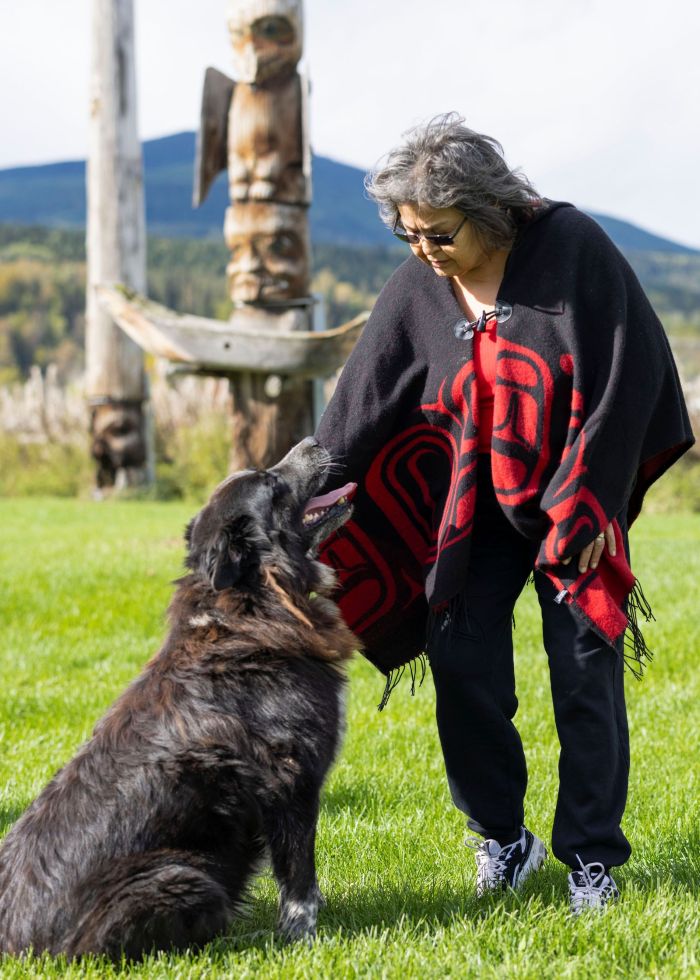
T'ooyaxsi'y 'nisi'm/Thank you to Wilps/House Luus for allowing us to attend and capture the headstone raising for Kay’s late husband and his siblings.
Want to learn more? Meet some other people on the dementia journey at alzbc.org/AlzheimersAwareness.
If you have questions about dementia, call the First Link® Dementia Helpline at 1-800-936-6033.