
Alzheimer's Awareness Month 2026: Meet Mark Breslaw
We are recognizing Alzheimer’s Awareness Month by sharing the experiences of people like Mark, who has found meaning, connection and joy after a dementia diagnosis, in part by connecting with the Alzheimer Society of B.C.
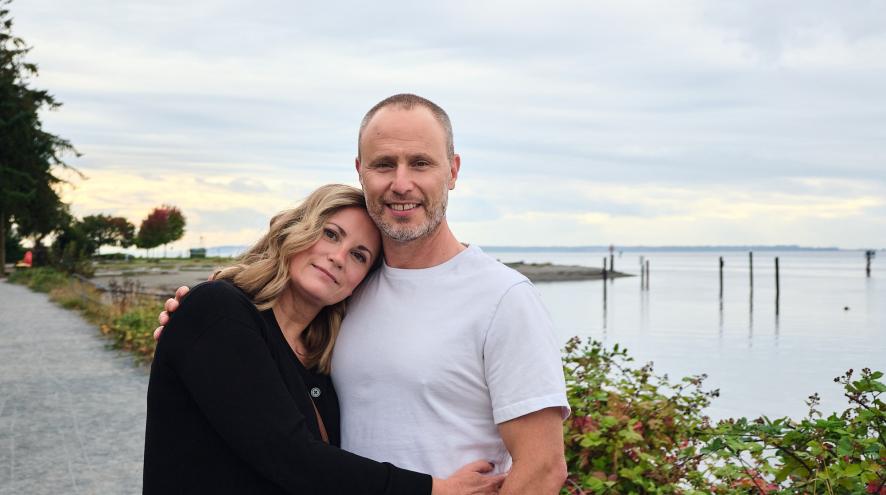
When many of us picture someone living with dementia, we picture someone older, in their sixties and seventies – not someone in their forties like Mark Breslaw of South Surrey. The 49-year-old, who lives with his wife Shonna and youngest son Michael, loves the community for its accessibility, amenities and family activities. He enjoys walking at the beach — something that has become more common since his diagnosis of younger onset dementia.
Mark first encountered warning signs of the disease in 2023, when he found himself increasingly forgetting and mixing up names. An even more worrying event happened soon after when he found himself lost while driving home from work. Despite taking his usual route, when he reached an intersection only 500 metres from his house, he realized he had no idea where he was. Around the same time, he had inexplicable difficulty with everyday tasks that would normally come naturally to him.
Mark knew something was wrong but didn’t suspect dementia at all.
“I attributed it to stress, a demanding job, and raising a family. But then I got lost on my way home two more times in a month. That’s when I decided to see my family doctor.”
A pair of cognitive assessments in February 2024, followed by months of frustrating tests to rule out other possible causes for his symptoms, led Mark’s medical team to suspect Mild Cognitive Impairment (MCI) or dementia. Eager to learn more about possible diagnosis, Mark started researching resources available and came across the Alzheimer Society of B.C.
“I had no idea what I was going to get from it when I called the society's First Link® Dementia Helpline,” Mark says. “They were so welcoming. I still didn’t have a formal diagnosis, but no one said, ‘Only call us when it gets to this point.’ They offered to call me back in six weeks and check in and sure enough, they called. It was the first piece of validation I received after what felt like a months-long information void about my symptoms that still had no cause.”
A cerebral spinal fluid test finally confirmed Mark’s diagnosis of younger onset Alzheimer’s disease in early 2025, something that he describes as difficult to process but also freeing.
“I could finally have a fact-based conversation with family and close friends about what was going on with me.”
Changes in his cognitive ability led Mark to step away from his position as Senior Director, Human Resources with Electronic Arts for the foreseeable future.
“Suddenly my earning potential had been significantly impacted while our expenses remained unchanged. It’s not realistic to expect my wife to go out and get another job,” he says. “There needs to be more recognition of this unique impact on people who get this diagnosis at a younger age.”
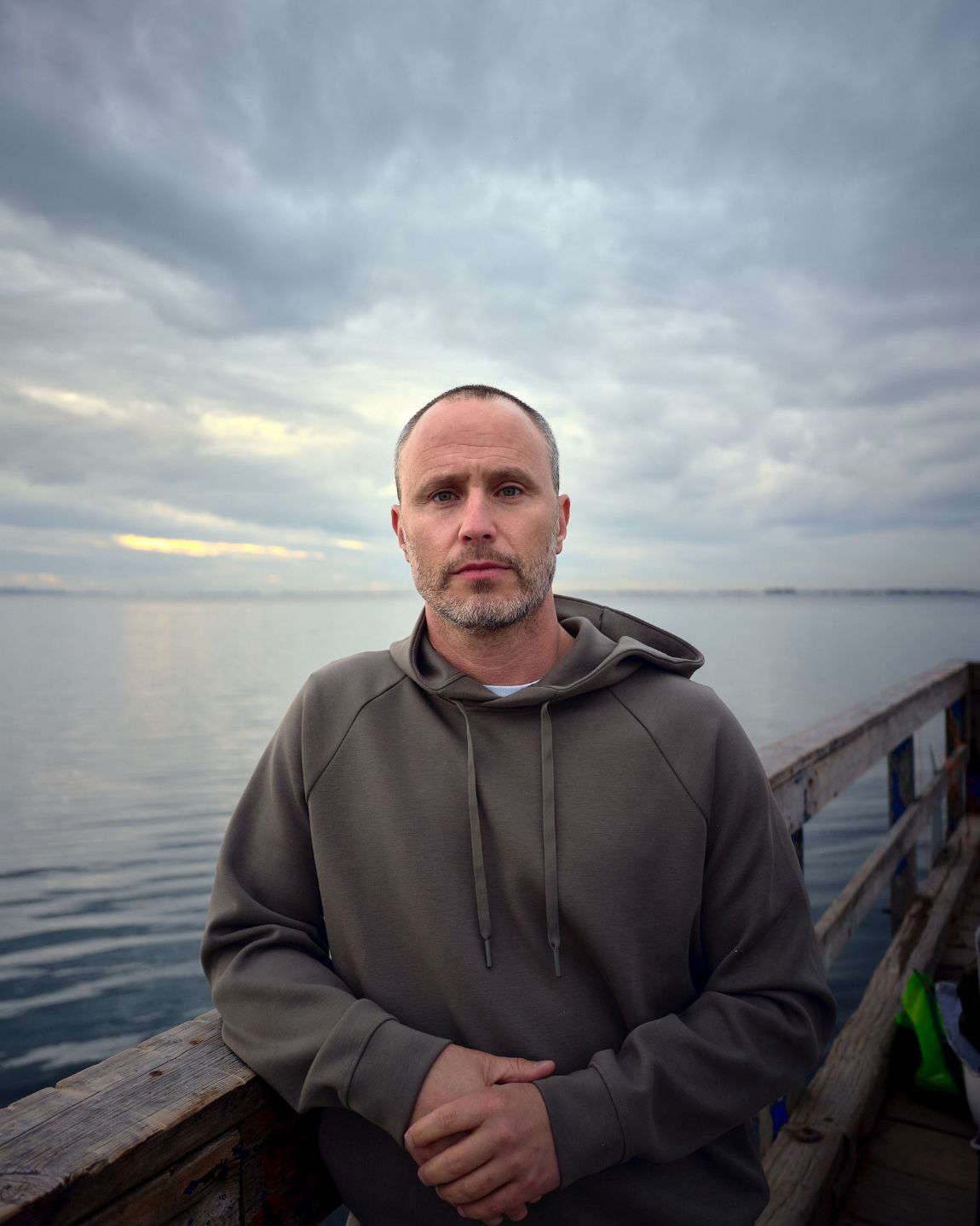
While Mark never imagined himself stepping away from his career so early, he made the conscious decision to not just accept reality as it is, but to thrive, not in spite of, but actively with dementia. When he attended a lived experience webinar featuring other people living with younger onset dementia, Mark’s eyes were opened to a new world of possibilities.
“At work, I loved to enable the growth and development of leaders across the company. Strong leaders inspire strong engagement, resulting in a robust employee experience,” Mark says. “I’m listening to the speaker and thinking ‘Maybe there’s a role where I can educate, advocate and continue to do some of the things I loved about my job.’”
Mark soon joined the Lived Experience Partner Program, inspired to find new ways to use his voice and his story to fight stigma and raise awareness.
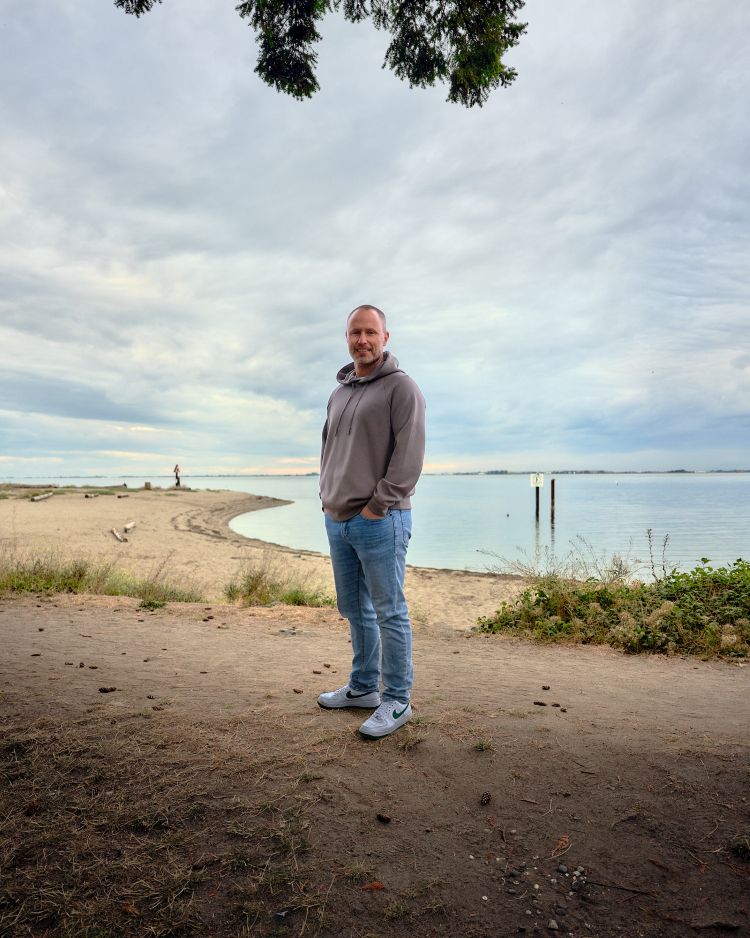
As Mark and his family learn to navigate their new reality, a good balance of realism and positivity helps propel them forward.
“I have not mastered acceptance," Mark says. "It’s something that I really have to work on continuously, But now I can spend more mindful time with my family and friends. This includes being able to attend school events and track and field practice with my little guy. It means that I can grab a meal, see a movie and regularly donate blood with my two adult children. I could not consistently do these things when I was working domestically and internationally.”
Another big change in Mark’s life is the obligation to stop driving. Determined not to let the loss of driving shrink his world, Mark has become resourceful in finding new ways to get around, from everyday errands, gym workouts to his weekly trip into Vancouver to spend time with his mom. He’s embraced walking and public transit, learning the system and settling into a new rhythm that still gives him freedom and independence, just in a different way than he was previously used to.
“I can wallow at home and think ‘I can’t walk at the beach anymore ‘cause I’ll have to take a one-hour bus ride there, or I can say, ‘Wow, it’s great there’s a bus that can take me there!’”
While Mark’s positive outlook may be a benefit to him personally, his drive to fight stigma and ability to inspire are gifts, both to the Alzheimer Society of B.C. and to anyone else facing dementia.
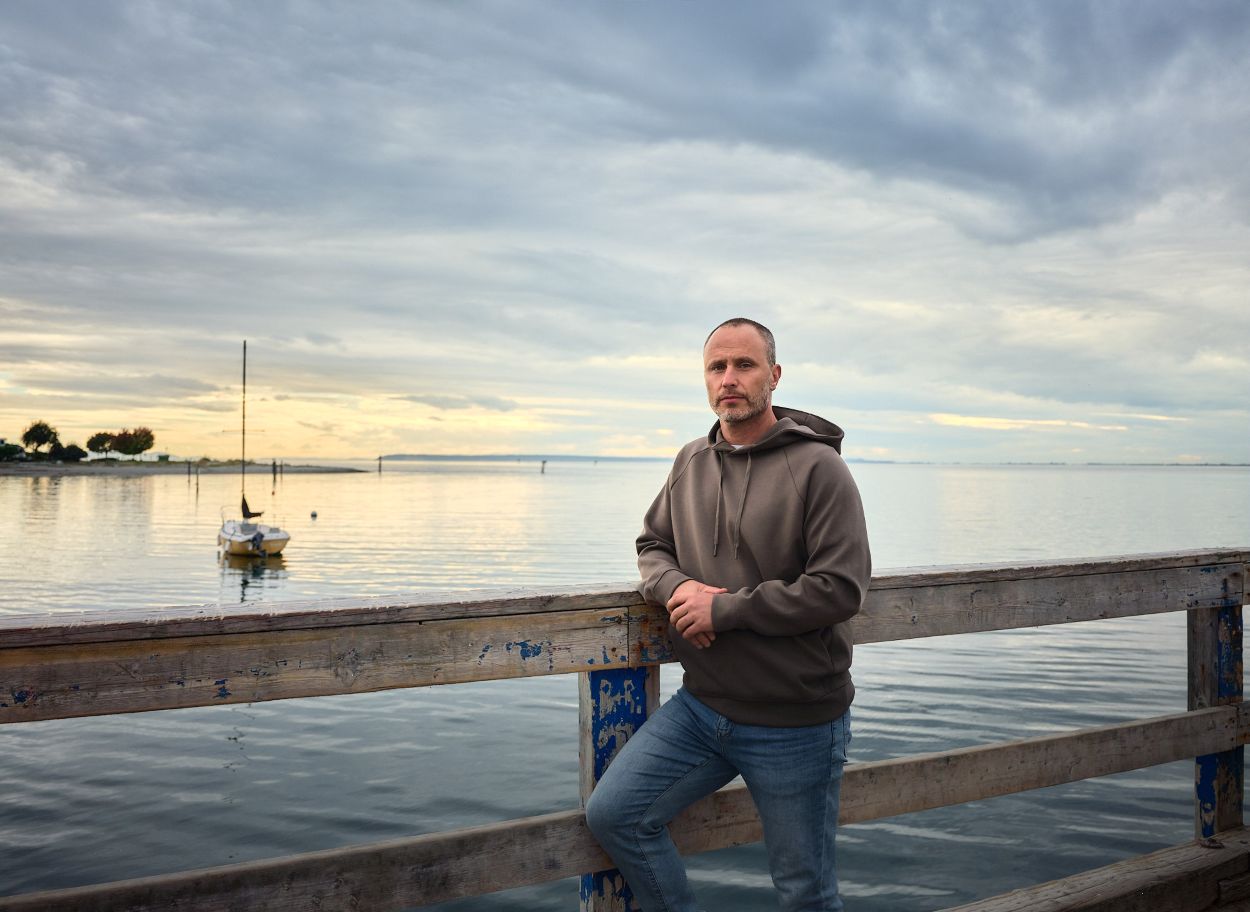
Want to learn more? Meet some other people on the dementia journey at alzbc.org/AlzheimersAwareness.
If you have questions about dementia, call the First Link® Dementia Helpline at 1-800-936-6033.